Business waste removal in Elephant and Castle for offices, shops and mixed commercial premises

Business waste removal in Elephant and Castle should be straightforward, discreet and organised around how your premises actually operate. We handle commercial clearances for workplaces that need everyday waste taken away without interrupting staff, customers or deliveries. That can include office furniture, packaging, mixed office rubbish, redundant equipment and other routine business waste that has built up through normal trading.
Our service is aimed at businesses that want a practical clearance option rather than a one-size-fits-all approach. We can work around access constraints, building rules and varied load sizes, helping keep waste moving out of the property in a controlled way. For companies managing multiple waste streams, our business waste removal service gives a clearer route for planning what needs collecting and how it should be handled.
If you need a quotation, start by listing the items or waste types you want removed and the property access involved. A short note about floor level, lift use, loading restrictions or any particularly bulky objects helps shape a more accurate response. When you are ready, ask for a quote and we will help you work out the next step.
Commercial clearances for workplaces and trading spaces
Business waste is rarely uniform. Some premises produce mainly light office rubbish, while others need help with heavier items such as desks, filing cabinets, shelving or stockroom contents. Our work is designed for that variety. We can clear practical combinations of refuse and reusable or recyclable items from premises that need the space returned to day-to-day use with as little disruption as possible.
Where a workplace is being reorganised, shut down, or simply refreshed, it is often useful to separate waste into types before the collection starts. That does not mean creating a complicated schedule; it means recognising what can go together, what needs special handling and what may need extra care because of size or weight. If you want to compare service details before you decide, our waste removal page explains the broader collection options we can support.
Items commonly included in office and commercial clearances

Many commercial clearances are built around the same core categories, but the exact mix varies from one business to another. Office furniture is a frequent part of the work, along with loose waste from storerooms, print rooms and reception areas. Items may include chairs, tables, cabinets, broken fixtures, cardboard, shelving units and general non-hazardous rubbish collected during a change of use or refurbishment.
In some cases, a clearance is not just about discarding unwanted pieces; it is about removing clutter that blocks storage, access routes or working space. We can help with furniture-focused jobs through furniture clearance where desks, chairs and similar items form most of the load, and with broader disposal needs when the waste is less uniform. The aim is to keep the process sensible, rather than making you sort everything into rigid categories before the collection.
Where possible, smaller items are best grouped together and larger items are identified in advance. That makes it easier to plan removal without unnecessary delays. If your premises also hold obsolete household-style pieces, mixed office kit or bulky stockroom material, the collection can be planned around those sections so the work proceeds in a tidy, orderly way.
How we approach access, scheduling and safe handling
Commercial waste collection often depends less on the waste itself and more on the access around it. Narrow staircases, shared entrances, permit restrictions, service lifts and loading bays can all affect how a job is carried out. Good planning helps reduce disruption inside the building, especially where staff, customers or neighbours are nearby and the collection needs to stay orderly.
Before the collection, it helps to know where items are located, whether any heavy pieces need moving from upper floors and whether there are building rules that affect loading or parking. That information makes it easier to prepare the right team and approach. For ongoing or repeat arrangements, you can also review pricing and quotes alongside the scope of the work, so the request is based on a realistic understanding of the load.
Safe handling matters with office furniture, mixed rubbish and broken goods because not every item can be treated the same way. Heavy objects may need controlled lifting, and fragile materials need care so they do not create extra mess. We aim to keep the clearance practical and considerate, with an emphasis on removing the waste efficiently while respecting the environment it is taken from.
When business waste includes awkward or specialist items
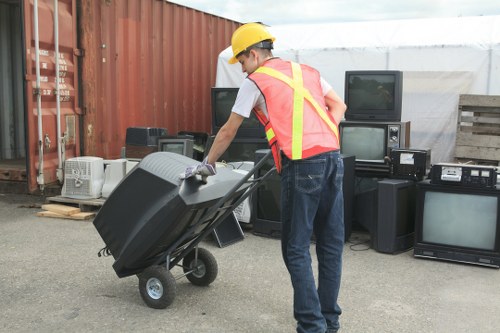
Some commercial clearances go beyond standard office rubbish. A business may have appliances, damaged furnishings, old fixtures or items that need additional attention because of their construction or contents. In those cases, it helps to separate general waste from items that are better dealt with through a more specific service, so the collection remains compliant and manageable.
For example, if your premises include unwanted refrigerators, counters or broken white goods, our fridge and appliance removal page is relevant to those items. Where furniture disposal is the main issue, furniture disposal may be a better fit for the job. This kind of service matching matters because the work becomes more efficient when the item type is clear from the start.
There are also occasions where a business is clearing out storage areas that contain a mixture of materials. In those circumstances, it is sensible to think in terms of what must go, what can be separated, and what should be treated with extra care. We can help turn that mixed list into a workable removal plan without overcomplicating the process.
Why a clear list helps the quotation process
A useful quotation usually depends on a sensible description of the load rather than a long explanation. The number of items, their size, how easy they are to reach and whether they are stacked or spread across rooms all influence the work involved. If the property includes several floors, restricted access or items that are especially bulky, those details matter because they shape the time and handling required.
The most helpful preparation is often simple. A short inventory, a few notes about the premises and an idea of what you want removed will usually provide enough detail for a practical response. If your business also needs specialist office support beyond clearance, our office clearance service gives a clearer route for dealing with desks, chairs, screens and related workplace contents in one organised job.
Two things can save time when you enquire: first, identify the main item groups; second, mention anything that might affect movement through the building. That could include a tight stairwell, limited parking or a need to work around opening hours. You do not need to write a formal report; a concise summary is usually enough to move the request forward.
Commercial waste streams and disposal choices
Businesses often produce more than one kind of waste at the same time. Cardboard, plastics, redundant office contents and general rubbish may all be sitting in the same room, yet they do not always need the same handling. A good clearance service recognises that commercial waste can be mixed while still needing careful sorting to keep the removal sensible and tidy.
If you are dealing with premises that also have general household-style contents, our home clearance page shows the related wider clearance approach, while house clearance is more suited to residential property contents. Those pages are not replacements for business work, but they can help if a mixed-use property or estate-related job includes both domestic and commercial material. Choosing the right route prevents the job from becoming more complicated than it needs to be.
In practice, the best result comes from identifying what needs to leave the building and what should stay. That keeps essential equipment, documents and fixtures separate from the waste load, and it reduces the chance of avoidable confusion on the day of collection. The service can then focus on clearing what is no longer needed without interfering with the running premises.
About Elephant and Castle
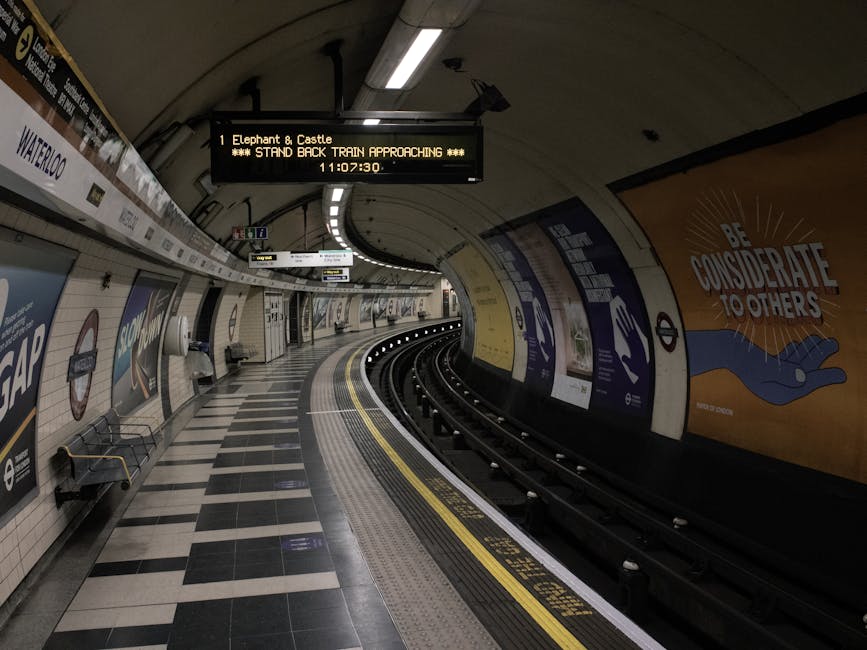
Elephant and Castle is a district in south London, positioned within the wider London Borough of Southwark and known for its long association with major transport routes, dense urban development and continuous change. The area takes its name from a historic coaching inn and has become closely identified with the junction where several roads meet near the northern edge of the borough. Today it is better understood as a busy inner-London district than as a single enclosed centre, with layers of housing, shops, education, transport and redevelopment sitting side by side. The local landscape is shaped by roads, railway infrastructure and tall modern buildings, but it also contains older streets and surviving pieces of South London’s earlier fabric. The Elephant & Castle shopping district and nearby residential blocks have long been points of reference in the area, while the surrounding streets connect towards Walworth, Kennington and Borough. Transport has always been central to its identity: the underground station and railway links place it among the capital’s more connected urban locations, and the surrounding road network reflects its role as a major crossing point rather than a quiet neighbourhood. Cultural life in the area has shifted over time as regeneration has altered the built environment, yet the district still retains a recognisable mixed character, with educational institutions, independent businesses, community spaces and public realm sitting alongside new apartment developments. In an area with such strong movement and redevelopment, the streetscape can change noticeably from one block to the next, making Elephant and Castle a place where historic continuity and modern rebuilding are both visible in the same urban frame.
Business premises, warehouses and back-of-house areas
Not every clearance begins in a public-facing office. Some jobs start in stockrooms, basements, rear service yards or storage areas that have become crowded over time. These places can hold broken fixtures, packaging waste, surplus chairs, archive boxes and redundant equipment, often with little room to organise everything easily. A commercial clearance in those spaces needs a steady, methodical approach.
Where back-of-house areas contain goods that are no longer required, the work is often about creating usable space again without disrupting the rest of the building. That can mean clearing out shelving, moving awkward items from corners or taking away waste that has been left behind after a refit. If the load also involves items from a garage or storage unit, garage clearance can be a helpful reference for the type of removal involved.
For business customers, it is usually best to treat these spaces as part of the working operation rather than as an afterthought. That mindset helps keep access open, reduces clutter and lets the clearance fit around the wider needs of the premises instead of working against them.
Specialist clearances for different room types
Some businesses need one straightforward commercial collection, while others need a mixture of room-specific clearances. A workspace might have office furniture in one area, domestic-style furnishings in another and general waste in storage. In that case, it can be helpful to combine the most relevant service routes rather than trying to make every item fit a single description. That is why focused pages for different room types can be useful when you are planning what to remove.
For premises with mixed contents, flat clearance can be relevant where an upper-level or self-contained space holds items that need removing, while loft clearance may suit high-level storage areas that are difficult to access. If the job is centred on soft furnishings, mattress and sofa disposal can be more appropriate for those larger items. These service pages help define the type of work clearly before collection starts.
Using the right service description is not about being fussy. It simply makes the arrangement easier to understand and helps ensure that the removal plan matches the contents on site. Where a business premises includes more than one type of clearance need, a carefully described request is usually the most efficient place to begin.
Recycling, segregation and responsible disposal
Commercial waste should not be treated as a single undifferentiated load when there is a practical way to separate useful materials. Cardboard, metal, some plastics and reusable furnishings may be handled differently from general rubbish, depending on the condition and composition of the items. That makes segregation useful not just for tidiness, but for the overall disposal process.
Our approach also fits with the broader aim of handling waste responsibly rather than simply moving it on. Where suitable, recyclable material can be separated and directed more appropriately, while items that are no longer usable are removed in line with the requirements of the job. For customers who want more information on this side of the work, our recycling and sustainability page explains the general approach in more detail.
For businesses, this matters because a sensible disposal route keeps the job organised and avoids unnecessary handling. It also means the clearance can be discussed in practical terms: what you have, what needs taking away and what should be dealt with differently because of material, condition or size.
Make your enquiry clear and concise
A good business waste removal enquiry usually includes the essentials only. Tell us the type of premises, the main items to be removed, whether there are stairs or lift access, and whether the waste is gathered in one room or spread across several areas. If the collection needs to fit around opening hours or delivery times, mention that too so the plan can be made with the site in mind.
Once you have that information ready, it is easier to decide whether the job is mainly office clearance, mixed commercial waste or a more specific removal such as furniture or appliance disposal. You can also review about us if you want a simple overview of the wider company background before making contact. The key point is to keep the enquiry factual and focused so the response reflects the real scope of the work.
When you are ready, request a quotation and we will help you move from a list of unwanted items to a workable collection plan. If you have several rooms or a larger load, it is still worth asking. Tell us what needs clearing, and we can take it from there.